
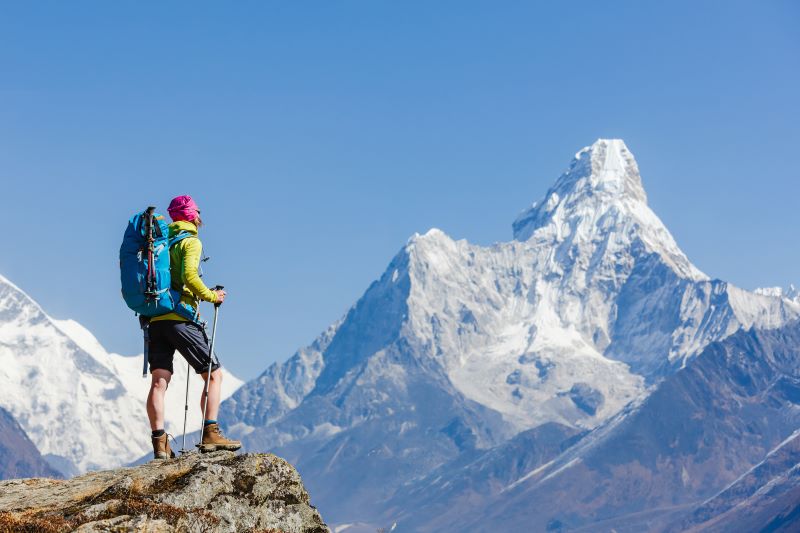
Everest Base Camp Trek
Complete Guide 2026
World’s most iconic trek — permits, costs, detailed itinerary, and 43 expert answers to every question about trekking Everest Base Camp.
Everest Base Camp at a Glance
Everest Base Camp Trek Overview
Experience the world’s highest mountain and trek to the base of Mount Everest
The Everest Base Camp trek is one of the world’s most iconic trekking routes, attracting over 40,000 trekkers annually. This trek combines stunning Himalayan scenery, rich Sherpa culture, and the achievement of reaching 5,545m (18,192 feet) at the foot of Mount Everest — the world’s highest peak.
Unlike technical mountaineering expeditions, the EBC trek is accessible to fit hikers with no climbing experience. The trail passes through traditional Sherpa villages, monasteries, and rhododendron forests, offering cultural immersion alongside spectacular mountain views. For a more remote, less-crowded alternative, consider the Manaslu Circuit Trek — a restricted-area route with dramatic gorges and Tibetan Buddhist villages.
The trek is physically demanding but not technical. Daily hiking ranges from 5–7 hours, with significant elevation gain. Acclimatization is critical; the itinerary builds altitude gradually to minimize altitude sickness risk.
🏔️ Why Trek Everest Base Camp?
Stand at the foot of the world’s highest mountain and experience authentic Sherpa culture, stay in mountain teahouses, and witness the Himalayas’ raw beauty. The trek is accessible yet challenging, rewarding trekkers with lifetime memories.
📍 Route Summary
Fly into Lukla (2,860m) → trek through Namche Bazaar (3,440m) → acclimatization at Tengboche → final push to EBC (5,364m). Standard route: 12–14 days including acclimatization days. Return trek allows descent adjustment.
Standard 15 Day Everest Base Camp Trek Itinerary
Day-by-day breakdown of the classic Everest Base Camp Trek route
-
DAY 1
Kathmandu Arrival
Arrive in Kathmandu (1,400m). Transfer to hotel. Rest, sort gear, and prepare for the trek. Optional: explore Thamel or visit nearby temples.
-
DAY 2
Flight Kathmandu to Lukla (2,860m), Trek to Phakding (2,610m)
Scenic 40-minute flight to Lukla. Begin trek through pine forests and Sherpa villages along the Dudh Koshi river to Phakding.
-
DAY 3
Phakding to Namche Bazaar (3,440m)
Cross suspension bridges and enter Sagarmatha National Park. Steep uphill to Namche — the main Sherpa trading hub with shops, cafes, and bakeries.
-
DAY 4
Rest Day in Namche Bazaar — Hike to Everest View Hotel
Acclimatization day. Morning hike to Everest View Hotel (3,880m) for first views of Everest, Lhotse, and Ama Dablam. Explore Namche markets and museums.
-
DAY 5
Namche Bazaar to Tengboche (3,860m)
Trek through rhododendron forests with views of Everest and Ama Dablam. Tengboche is home to the region’s most important Buddhist monastery.
-
DAY 6
Tengboche to Dingboche (4,410m)
Descend to Deboche, then climb through forests to Pangboche. Cross the Imja Khola and ascend to Dingboche — wide valley with stone walls protecting barley fields.
-
DAY 7
Rest Day in Dingboche — Visit Chhukung (4,730m)
Second acclimatization day. Optional hike to Chhukung Ri or Nagarjun Hill for panoramic views of Island Peak, Lhotse, and Makalu.
-
DAY 8
Dingboche to Lobuche (4,930m)
Climb past Duglha and the memorials for climbers lost on Everest. Trail becomes barren and rocky as you enter the high alpine zone.
-
DAY 9
Lobuche to Gorakshep (5,140m), Trek to Everest Base Camp (5,364m), Return to Gorakshep
Trek alongside the Khumbu Glacier to Gorakshep. After lunch, hike to Everest Base Camp — the highlight of the trek. Stand at the foot of the world’s highest mountain. Return to Gorakshep for the night.
-
DAY 10
Early Morning Kala Patthar (5,545m), Trek to Pheriche (4,240m)
Pre-dawn hike to Kala Patthar for the best sunrise views of Everest, Nuptse, and Lhotse. Descend to Gorakshep for breakfast, then trek down to Pheriche — significantly lower and warmer.
-
DAY 11
Pheriche to Namche Bazaar (3,440m)
Long descent through Tengboche and Kyangjuma. Return to the green valleys and thicker air of Namche. Celebrate with a proper meal and hot shower.
-
DAY 12
Namche Bazaar to Lukla (2,860m)
Final trekking day. Descend through Phakding and Monjo, exiting Sagarmatha National Park. Last night in the mountains at Lukla.
-
DAY 13
Flight Lukla to Kathmandu
Morning flight back to Kathmandu. Transfer to hotel. Rest and recover. Optional: explore Kathmandu Valley temples or do last-minute shopping in Thamel.
-
DAY 14
Kathmandu — Backup Day / Free Activities
Buffer day for flight delays from Lukla. If on schedule: visit Pashupatinath, Boudhanath Stupa, or Swayambhunath. Final evening celebration dinner.
-
DAY 15
Departure from Kathmandu
Transfer to Tribhuvan International Airport for your flight home. Trek complete — congratulations!
Permits, Fees & Budget
Complete cost breakdown for Everest Base Camp trek — updated June 2026
🎫 Required Permits
- Sagarmatha National Park permit: NPR 3,000
- Khumbu Pasang Lhamu Rural Municipality permit: NPR 3,000
- 13% VAT included in both totals
- Issued in Kathmandu before trek
- Valid for 1 entry each
- TIMS card — no longer required for EBC
💰 Budget Breakdown (Self-guided)
- Flight Kathmandu–Lukla roundtrip: $400–$500
- Accommodation (12 nights, teahouse): $300–$400
- Meals (breakfast/lunch/dinner): $200–$300
- Guide (optional, 12 days): $150–$200
- Porter (optional): $150–$200
- Permits (2 required): NPR 6,000 (~$45)
- Miscellaneous (snacks, tips): $70–$100
🎁 Guided Package Cost
- Professional guide included: $150–$200
- Porter included (lighter pack): $150–$200
- Meals often negotiated: $200–$300
- Flight bundled sometimes: $400–$500
- Permits (2 required): NPR 6,000 (~$45)
- Agency booking markup: 20–30%
- Insurance (recommended): $50–$150
Trek Difficulty Breakdown
Physical demands and challenge rating for Everest Base Camp
Everest Base Camp is less technical than the Manaslu Circuit Trek but demands good fitness and altitude acclimatization. No climbing skills needed, but altitude sickness is a real risk. Suitable for fit first-time trekkers who take acclimatization seriously. Most failures are due to altitude sickness, not lack of fitness.
Best Time to Trek Everest
Seasonal conditions and weather patterns throughout the year
September–November
Clear skies, stable weather, cool temps (10–20°C). Post-monsoon, pre-winter. Peak season with most trekkers. Excellent visibility for Everest photos.
March–May
Spring flowers, rhododendrons blooming, warm (15–25°C). Increasingly crowded. Some cloud cover afternoon, but mornings often clear for Everest views.
December–February
Winter cold (−10 to 5°C), snow at altitude, short daylight. Fewer crowds. Experienced trekkers only. High-altitude camps may close. Evacuations difficult.
June–August
Monsoon rains, low cloud cover, landslides. Many teahouses closed. Not recommended. Trek is miserable, views obscured, trails muddy.
Essential Gear Checklist
Complete packing list for EBC trek (12–14 days)
🎒 Backpack & Luggage
- Trekking backpack (50–60L) with rain cover
- Day pack (20–30L)
- Dry bags or packing cubes
- Duffel bag for porter (if hiring)
👕 Clothing (Layer System)
- Base layers (merino wool, thermal): 2 pairs
- Mid-layer (fleece or down): 1–2
- Down jacket (critical at altitude)
- Rain jacket (waterproof)
- Rain pants
- Pants (trekking, quick-dry): 1–2
- Shorts (for lower elevation)
- T-shirts: 2–3
- Thermal leggings (cold nights)
- Underwear: 5–7
- Socks (wool, merino): 5–7 pairs
- Wool hat & ear cover
- Sun hat / baseball cap
- Gloves (insulated, windproof)
- Scarf or neck gaiter
👟 Footwear
- Trekking boots (broken in, ankle support)
- Gaiters (prevent debris, keep warm)
- Trekking poles / crampons (winter only)
- Camp shoes / sandals (light)
- Boot cleaner / brush
🛏️ Sleep & Camp Gear
- Sleeping bag (−10°C to −15°C rating minimum)
- Sleeping bag liner (adds warmth, hygiene)
- Sleeping mat / inflatable pad
- Pillow (compressible foam or inflatable)
- Blanket (lightweight, for teahouse)
💊 Health & Toiletries
- Diamox (altitude medication, prescription)
- Ibuprofen / Paracetamol
- Antihistamine (allergies)
- Anti-diarrheal (Imodium)
- Antibiotic cream (Neosporin)
- Blister tape / Molefoam
- Pain relief gel (arnica)
- Thermometer (altitude sickness check)
- Toothbrush & toothpaste
- Sunscreen (SPF 50+, very important)
- Lip balm with SPF
- Moisturizer (face, dry at altitude)
- Insect repellent
- Feminine hygiene (if needed)
- Hand sanitizer
- Wet wipes
📱 Electronics & Gadgets
- Phone + power bank (large capacity)
- Camera (with extra batteries)
- USB charging cables
- Headlamp / flashlight (critical for early mornings)
- Extra batteries (AA/AAA)
- Watch or timer
📄 Documents & Money
- Passport + copy
- Travel insurance (print copy)
- TIMS & SNP permits
- Emergency contact list
- Cash (USD + NPR)
- Credit card (for backup)
- Passport-size photos (4–6)
🥾 Miscellaneous
- Trekking umbrella (small, lightweight)
- Water bottle (2–3L capacity)
- Water purification tablets or filter
- Snacks (nuts, chocolate, energy bars)
- Instant noodles (emergency)
- Toilet paper + zip bags
- Notebook & pen
- Multi-tool / pocket knife
- Duct tape (repair emergencies)
- Sewing kit
- Rope / paracord
- Padlock (teahouse locker)
- Earplugs (noisy teahouses)
- Sleep mask
🧘 Optional Comfort Items
- Compression socks (blood circulation)
- Massage ball (foot relief)
- Magnesium (muscle recovery)
- Probiotics (digestion support)
- Portable water heater (for hot drinks)
- Tea bags / instant coffee
- Comfort clothes (warm for evenings)
- Journal (document trek memories)
Trekking Tips & Practical Advice
Expert tips for a successful and enjoyable EBC trek
Hydrate Constantly
Drink 3–4L water daily, especially at altitude. Dehydration worsens altitude sickness. Carry water bottle, refill at boiled sources. Urine should be clear (not dark). Avoid alcohol, limit caffeine (diuretics).
Break In Your Boots Before Trek
Wear trekking boots on 50+ mile hikes pre-trek. Broken-in boots prevent blisters. New boots on trail = painful lessons learned. Test entire system (boots + socks + insoles). Comfort = trek success.
Start Early on Summit Day
Wake 3–4 AM for EBC day hike. Reach EBC by 9–10 AM when light is best for photos. Afternoon clouds often obscure Everest. Early start also aids descent + teahouse arrival by dark.
Hire a Guide You Trust
Guide expertise matters. Choose: experienced (5+ years EBC), patient, good English, client reviews, certified. Interview multiple guides. Personal fit (personality, pace) essential. Reputable guide = safer, better trek. For restricted areas where a guide is mandatory, see our Manaslu Circuit Trek guide.
Don’t Rush Acclimatization
“Climb high, sleep low.” Built-in acclimatization days (Namche, Dingboche) are essential. Don’t skip them. Rushing = altitude sickness. Rest days feel wasted but prevent illness. Patience pays off.
Consider Diamox Pre-Trek
Diamox reduces AMS risk by 50%. Start 24 hrs before altitude gain, continue to EBC. Consult doctor 6 weeks pre-trek. Cost: $10–$20. Prescription-only. Benefits often outweigh side effects (tingling).
Go Slow (“Pole Pole”)
Slow pace = higher success rate. Steady hiking (not rushing) aids acclimatization. Rest-step technique (lock knee on each step) conserves energy. Guide sets pace. Match guide’s rhythm, don’t race.
Plan Communication Before Trek
Email family before trek. Phone signal unreliable on trail. WhatsApp sporadic. Don’t expect daily contact. Text when in Namche/Dingboche. Set expectations: minimal communication likely. Emergency contacts at teahouses.
Pack Light, Very Light
Target backpack: 5–8kg max. Each kg felt doubly at altitude. Leave behind: extra clothes, heavy toiletries, electronics. Wear bulky items instead of packing. Consider ultralight gear. Light load = energy for altitude.
Bring Warm Layers & Down Jacket
Temperature drops 1°C per 100m elevation. Nights at EBC: −5 to −10°C. Down jacket is mandatory (ultra-light, compressible, warm). Thermal base layers + fleece + down = warmth. Don’t skimp on insulation.
Respect Local Culture & Environment
Remove shoes in temples. Don’t photograph people without permission. Respect prayer flags, mani walls. Support local (hire locals, eat local). Carry trash out. Responsible trekking = community benefit + richer experience.
Travel Insurance is Essential
Insurance covers evacuation (~$100k if helicopter rescue needed). Cost: $50–$150. Must include altitude cover (many exclude >4,500m). Non-negotiable. Medical emergency = ruined finances without insurance.
Arrive in Kathmandu Early
Arrive 1–2 days before trek. Permits, last-minute purchases, acclimatize to Kathmandu (1,400m). Reduce jet lag. Sort luggage. Meet guide. Start trek fresh, organized. Rushing increases mistakes.
Eat Regular Meals for Energy
Altitude suppresses appetite but burns calories. Eat breakfast + lunch + dinner + snacks. Focus: carbs (70%), protein (20%), fat (10%). High-carb diet fuels climbing at altitude. Forced eating may be necessary.
Communicate Symptoms with Guide
Tell guide immediately if headache, nausea, dizziness, shortness of breath. Don’t downplay — guide needs honest assessment. Guide decides descent if symptoms worsen. Honesty = safety. Hiding illness = dangerous.
Take Photos But Enjoy the Moment
Trek for experience, not just photos. Put phone down, breathe, observe. Photos fade, memories endure. Sunset at Tengboche, stars at EBC — be present. Balance documentation with presence.
Everest Base Camp Trek — Frequently Asked Questions
43 expert answers to common questions trekkers ask
-
How hard is Everest Base Camp compared to other treks?▼
EBC is moderately challenging: easier than the Manaslu Circuit Trek, similar to Annapurna Base Camp. Main challenge is altitude (5,364m), not technical skills. Daily hiking: 5–7 hours. Suitable for fit first-timers with no climbing experience. Fitness + altitude acclimatization = success.
-
Can first-time trekkers do EBC?▼
Yes! Thousands of beginners trek EBC annually. Requirements: (1) Fitness (cardio + leg strength), (2) Patience for acclimatization (3–4 acclimatization days built into itinerary), (3) Positive altitude response (some people struggle regardless of fitness). Train 2–3 months pre-trek (hiking, stair climbing). Hire guide for first-timers — they manage altitude sickness risk.
-
What’s the fitness requirement?▼
Moderate fitness needed. Training: (1) Walk 5–10km 3–4x/week, (2) Climb stairs with weighted pack (10kg), (3) Hiking hills for 4–6 weeks pre-trek. Target: comfortable 6-hour hikes at moderate pace. Age 60+ should train longer. Overweight trekkers need extra training — altitude compounds obesity impacts.
-
Can I trek solo (without a guide)?▼
Yes, the trail is well-marked and heavily trekked (40,000+ annually). Many solo trekkers trek unsupported. However, guides add value: altitude sickness monitoring, cultural stories, emergency support, permit handling. Cost: $150–$200 for 12 days. Highly recommended for first-timers.
-
How do I hire a licensed guide?▼
Options: (1) Trek operator in Kathmandu (easy, vetted, markup 20–30%), (2) Direct hire at Kathmandu trekking agencies (better rates), (3) Hire in Namche Bazaar upon arrival (cheapest, risky). Verify: licensed card, experience, client reviews. Expect $15–$20/day guide cost, $150–$200 total for 12 days.
-
Can I trek with a female guide?▼
Yes, female guides are available and excellent. Women guides understand women-specific needs (menstruation, bathroom privacy, safety). Request at booking. Female guides sometimes cost slightly more. Many female trekkers prefer female guides; others don’t mind male guides with cultural sensitivity.
-
What’s the best season?▼
Best: September–November (autumn, post-monsoon, clear weather) and March–May (spring, rhododendrons, warm). Both seasons have 40,000+ trekkers. Winter (Dec–Feb) is possible but cold (−10 to 5°C), short daylight, some teahouses closed. Monsoon (June–Aug) = heavy rain, low clouds, avoid.
-
Can I trek in winter?▼
Possible but challenging. Winter (Dec–Feb): cold (−10 to 5°C), snow above 3,500m, short daylight (6–7 hrs), some teahouses close. Advantages: fewer crowds, pristine snow views. Disadvantages: extreme cold, hypothermia risk, avalanche danger, rescue difficult. Only for experienced cold-weather trekkers with winter gear. Not recommended for first-timers.
-
What about monsoon season (June–August)?▼
Avoid monsoon. Heavy daily rain, landslides, trails washed out, teahouses closed, views obscured by clouds. Few trekkers venture during monsoon. Trek is miserable, dangerous, and unrewarding. Plan around monsoon.
-
What’s the weather like at Base Camp?▼
At 5,364m, EBC is extremely exposed. Weather: (1) Autumn: −5 to 10°C, windy (50–80 km/h), clear mornings. (2) Spring: 0 to 15°C, afternoon clouds. (3) Winter: −15 to −5°C, brutal wind, snowstorms. (4) Monsoon: rainy, cloudy, cold. Bring extreme cold-weather gear (down jacket, insulated hat, gloves). Wind chill can be −20°C.
-
How much altitude sickness should I expect?▼
Acute Mountain Sickness (AMS) affects 50–70% of trekkers: mild headache, nausea, fatigue. Most resolve with rest + acclimatization. Serious illness (HACE, HAPE) is rare (<1%) but deadly without descent. Mitigation: acclimatize properly, ascend slowly, descend if worsening symptoms, use Diamox prophylactically.
-
Should I take Diamox?▼
Diamox (acetazolamide) reduces AMS risk by 50%. Typical dose: 250mg 2x daily starting 24 hrs before ascent, continuing to EBC. Side effects: tingling fingers/toes, altered taste (temporary). Benefits outweigh risks. Consult doctor 6 weeks pre-trek. Diamox is prescription-only in most countries. Cost: $10–$20 for 12-day course.
-
What are signs of serious altitude sickness?▼
HACE (High Altitude Cerebral Edema): confusion, loss of coordination, irrational behavior. HAPE (High Altitude Pulmonary Edema): severe breathlessness at rest, cough with pink sputum. Both require immediate descent (ambulatory or evacuation). Mortality: 0–5% if treated promptly, 50%+ if ignored. If someone shows these symptoms, descend immediately and seek helicopter rescue.
-
How do I prevent altitude sickness?▼
Prevention: (1) Ascend slowly (3–4 days to Namche, rest days at Namche/Dingboche), (2) Stay hydrated (3–4L water/day), (3) Avoid alcohol/sleeping pills, (4) Eat carbs (70% of calories), (5) Take Diamox prophylactically, (6) Sleep lower than trekked (“climb high, sleep low”), (7) Listen to guide advice, (8) Descend if worsening symptoms. Acclimatization > rushing to Base Camp.
-
What permits do I need for Everest Base Camp Trek?▼
Two permits are required: (1) Sagarmatha National Park permit: NPR 3,000 (~USD 22), obtained in Kathmandu before the trek. (2) Khumbu Pasang Lhamu Rural Municipality permit: NPR 3,000 (~USD 22), also obtained in Kathmandu. Combined cost: NPR 6,000 (~USD 45). TIMS card is no longer required for the EBC route as of 2023. Processing takes around 1 hour if organized in advance — arrange permits the day before your trek starts.
-
Do I need travel insurance?▼
Highly recommended, nearly essential. Helicopter evacuation costs $3,000–$5,000. Medical insurance covering evacuation: $50–$150 for 2 weeks. Include: medical coverage, evacuation insurance, trip cancellation. Check altitude limits (many policies exclude >4,500m). Travel insurance is a small price for peace of mind.
-
How much does the trek cost?▼
Budget breakdown: Flight Kathmandu–Lukla roundtrip: $400–$500. Teahouse accommodation (12 nights): $300–$400. Meals: $200–$300. Guide (12 days): $150–$200. Permits: $30. Miscellaneous: $100–$200. Total: $1,200–$1,800 for budget trek. Premium packages (via operators): $1,500–$2,500. Solo trek cheaper than guided.
-
What’s included in a trek package?▼
Typical package includes: Flight Kathmandu–Lukla, accommodation, meals, guide, permits, equipment (some operators provide sleeping bag). Excludes: personal gear, travel insurance, tips, extra snacks. Premium packages include porter + better teahouses. Read fine print — inclusions vary wildly by operator.
-
Is it cheaper to book online or in Kathmandu?▼
Generally cheaper to book in Kathmandu upon arrival (save operator markup 20–30%). However, online booking guarantees availability, especially peak season. Compromise: research online, contact operators directly via email (bypass booking sites), negotiate. Budget trekkers save $300–$500 by booking in Kathmandu.
-
Do I need a porter?▼
Optional. Porter carries heavy gear (10–15kg), costs $15–$20/day ($180–$240 for trek). Advantages: lighter load = easier trekking + acclimatization. Disadvantages: cost, responsibility to porter’s welfare. Many trekkers pack light (5–8kg) and trek without porter. If hiring, ensure porter has proper gear + fair wages.
-
How much should my backpack weigh?▼
Ideal weight: 5–8kg (no porter). 10–15kg (acceptable). 20kg+ (too heavy at altitude). Pack light: wear bulky items instead, leave behind non-essentials, use ultralight gear. Heavy packs = slower pace + higher altitude sickness risk. Each kg slows you, increases fatigue.
-
How do I get to Lukla from Kathmandu?▼
Scenic 40-minute flight from Kathmandu (TIA) to Lukla (elevation 2,860m). Cost: $400–$500 roundtrip. Book via operators or directly with airlines (Sita, Yeti, Tara). Flights are weather-dependent — departures delayed/cancelled in bad weather (monsoon, winter storms). Book 2+ weeks in advance for peak season. Alternative: 3-day overland trek to Soti Khola (rarely used, expensive).
-
How do I get back from Lukla to Kathmandu?▼
Return flight from Lukla to Kathmandu (40 min). Same airlines as outbound. Most trek operators include roundtrip flight. Sometimes overbooked — arrive early at Lukla airport. Weather delays common (arrive 1–2 days early as buffer). Alternative: trek down to Jiri (2 days), bus to Kathmandu (6 hrs, cheap but slow).
-
Can I combine EBC with other treks?▼
Yes! Popular combinations: (1) EBC + Island Peak (5,189m) = 16–18 days (requires climbing skills). (2) EBC + Gokyo Lakes (4,790m) = 16–17 days, high elevation circuit. (3) EBC + Cho La pass + Gokyo = 18–21 days (challenging). Routes share teahouses, similar altitude, complementary views. Extensions add 4–8 days + $300–$500.
-
What’s the Gokyo Lakes route?▼
Alternative route: trek to Gokyo Lakes (4,790m) instead of or in addition to EBC. Gokyo: turquoise glacial lakes, less crowded than EBC, slightly easier. Route: Namche → Tengboche → Dingboche → Gokyo (5–6 days). Solo trek 8–10 days. Can combine EBC + Gokyo via Cho La pass (challenging 4–5,400m pass). Gokyo views rival EBC without the crowds.
-
Is it safe to trek?▼
Yes, very safe for fit trekkers who acclimatize properly. Main risks: (1) Altitude sickness (manageable), (2) Avalanche on passes (rare), (3) Getting lost (trail is clear). Mortality rate: <0.1% of trekkers. Insurance + guide + acclimatization = safe trek. Risk < urban driving.
-
What medical support is available?▼
Limited on trek. Guesthouses have basic first aid. Guides carry oxygen, medication, first aid. Himalayan Rescue Association clinic at Pheriche (3,880m) provides free consultations. For serious illness: helicopter evacuation from Gorakshep (costs $3,000–$5,000, insurance necessary). Nearest full hospital: Kathmandu (full day evacuation).
-
What vaccines/medications should I get?▼
Consult doctor 6–8 weeks pre-trek. Recommended: (1) Hepatitis A, (2) Typhoid, (3) Tetanus/diphtheria, (4) Japanese encephalitis (optional), (5) Rabies (optional). Medications: (1) Diamox (altitude), (2) Ibuprofen, (3) Anti-diarrheal, (4) Antibiotic cream, (5) Sunscreen (SPF 50+), (6) Electrolyte powder. Carry meds in original bottles with prescription letter.
-
What about water safety and diarrhea?▼
Giardia affects 30–50% of trekkers. Prevention: (1) Drink boiled water only (teahouses provide), (2) Use purification tablets/filter, (3) Avoid uncooked vegetables. Treatment: anti-diarrheal (Imodium), electrolytes, rest day. Severe diarrhea impairs climbing — prevent it. Teahouse water is generally boiled. Carry backup water filter.
-
What should I pack in my day pack?▼
Daily essentials: (1) Water (2–3L), (2) Snacks, (3) Sun protection (SPF 50+, glasses, hat), (4) Lip balm, (5) Down jacket, (6) Rain layer, (7) First aid, (8) Medications, (9) Phone/camera, (10) Toilet paper, (11) Hand sanitizer, (12) Torch (early passes). Total: 5–8kg. Teahouses store duffels so you trek light.
-
How much cash should I bring?▼
Bring 40% USD, 60% Nepali Rupees (NPR). Essential amounts: (1) Guide/porter tips ($50–$100), (2) Snacks ($20), (3) Souvenirs ($50), (4) Emergencies ($100). Total: $200–$300. Exchange in Kathmandu (better rates). Teahouses accept NPR only. ATMs only in Kathmandu — impossible on trek. Credit cards worthless on trek.
-
What about phone signal and internet?▼
Patchy coverage. Signal at major towns (Namche, Tengboche, Dingboche). No signal most days. Internet rare, slow where available. Buy local SIM (Ncell) in Kathmandu ($2). Bring power bank + charging cable. Guesthouses have solar charging (50 NPR per charge). Plan communication with family before trek.
-
What’s the food like on the trek?▼
Teahouse meals: (breakfast) eggs, toast, tea, oatmeal; (lunch) dal bhat, noodles, momos; (dinner) dal bhat, vegetables, rice. Limited fresh vegetables at high altitude. Food is adequate but monotonous. Carry snacks (chocolate, nuts, dried fruit, energy bars). Many trekkers lose 2–5kg during trek — eat enough calories/carbs.
-
How do I handle blisters and foot pain?▼
Prevention: (1) Break in boots (50+ miles), (2) Wool socks (merino), (3) Blister tape on hotspots, (4) Lubrication, (5) Slow start. Treatment: (1) Stop if pain, (2) Tape/molefoam, (3) Lubricate, (4) If blister forms, clean + antibiotic + bandage. Carry blister kit. Footcare = trek success. Don’t power through — rest day prevents blisters.
-
What about bathing and hygiene?▼
Teahouse showers: cold bucket or hot shower (fee 100–200 NPR). High altitude: skip bathing (too cold), use wet wipes. Daily: wash hands/face/feet, change socks, hand sanitizer, brush teeth. Change underwear/socks daily (prevent fungus). Hygiene critical — prevent UTIs + skin fungus.
-
Is it safe for solo women trekkers?▼
Yes, safe with precautions. Hire guide (female preferred, male okay with sensitivity). Women-specific: (1) Menstruation: pack supplies, standard hygiene, no restrictions, (2) Safety: guides prevent attention, stay teahouses, don’t walk alone, (3) Clothing: modest dress (no shorts/tanks) reduces attention, (4) Health: UTIs common (drink water, pee frequently). Hundreds of women trek EBC solo safely. Choose responsible operators.
-
What’s the cultural impact of trekking?▼
EBC trek impacts local communities: jobs created, schools built, infrastructure improved. Also: litter, resource depletion, cultural erosion. Mitigation: (1) Carry trash, (2) Use minimal water, (3) Support local (hire local staff, eat local), (4) Avoid plastic, (5) Respect culture. Sagarmatha National Park fees fund conservation. Choose responsible operators committed to community benefit.
-
What’s the best way to respect Sherpa culture?▼
Respect: (1) Remove shoes in temples, (2) Don’t photograph people without permission, (3) Ask before entering homes, (4) Support local economy, (5) Learn basic Nepali, (6) Dress modestly, (7) Don’t touch religious items. Guides explain etiquette. Monasteries welcome visitors (donation appreciated). Respectful trekking = enriched experience + community benefit.